

Lather. Rinse. Repeat.
Repetition : See Repetition

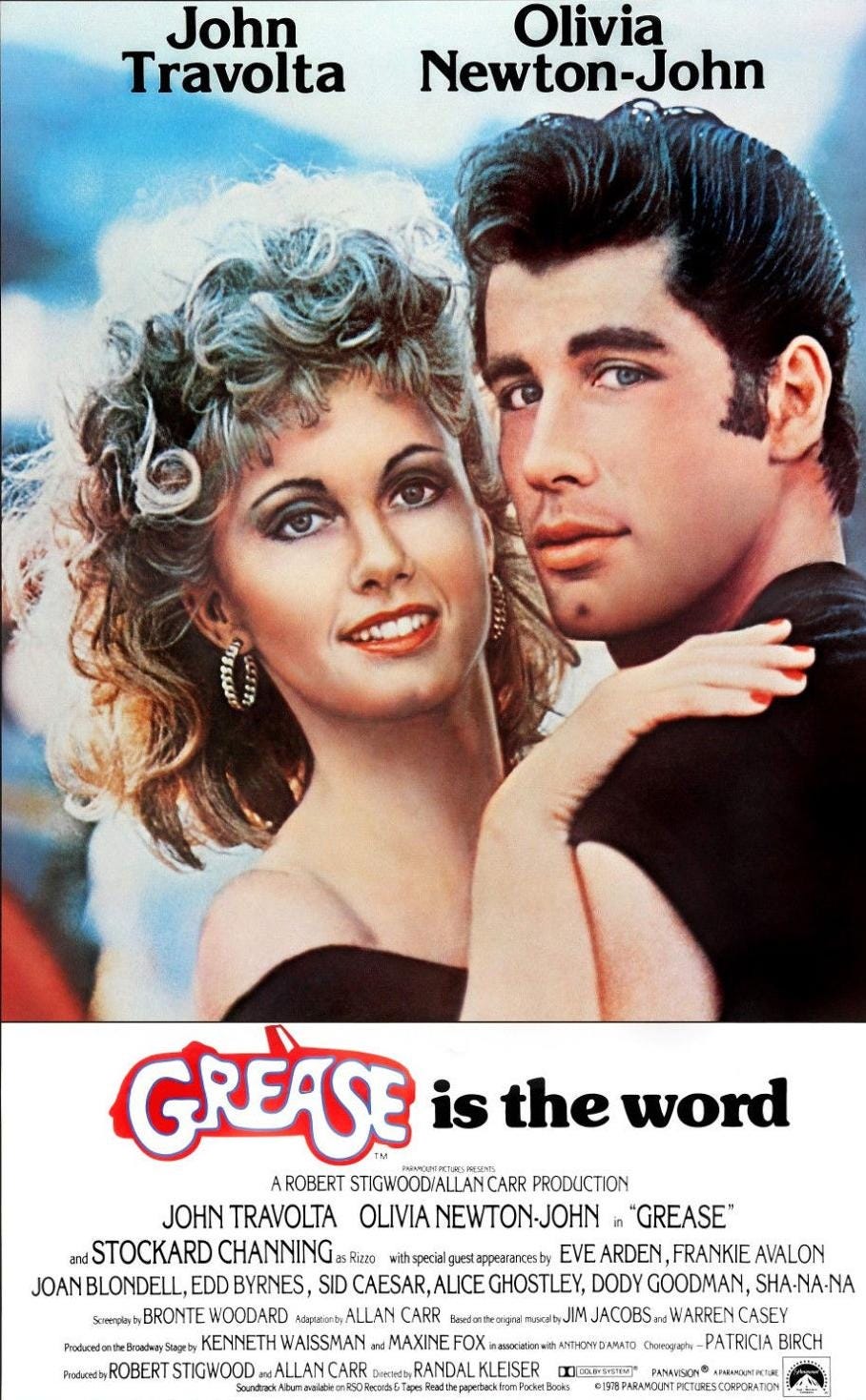
There’s a marketing urban legend from the 1950’s where an unnamed, yet cunning sales executive places the word “repeat” in the instructions for using shampoo. The crafty part was that it boosted sales by doubling the amount of shampoo that was used. Great story. Probably untrue. In the 1950’s people only tended to wash their hair once or twice a week, and the trend, especially for men was to use plenty of product in their hair. Yes obviously , “Grease is the word, Grease is the way that we’re feeling*” but one wash once or twice a week didn’t tend to get your hair clean enough. Hence, in the spirit of consumer satisfaction they added the word “repeat” to make sure that your hair was really clean**.
This isn’t a post about hair hygiene, it doubles as a lesson about repeating yourself, as often as possible to get the best result from the model you are using to design and generate code that you want to be as “well-engineered” and reliable as possible.
The premise is simple. When you prompt for a change (and we will discuss the scope and breadth of what constitutes change in a future article), don’t think that the job is done when it spits out the answer. Repeat. What do I mean? You may have written the most precise piece of prose ever conceived by man, woman or beast. You have given this masterpiece to an indeterminate black box. It might be exactly what you wanted. It probably isn’t. Sent it back into the factory. Do it again. Lather. Rinse. Repeat.
Isn’t doing the same thing again and again expecting a different result a sign of madness? Possibly. So tweak it to get the model to look at what and how it has done and reflect on the original outcome. For example:
“Go back through the [artifact] changes you have made in the role of a seasoned architect and developer with 30+ years experience. Look for any errors, omissions or ambiguities you discover and ask me about them.” Then.
“Do it again.”
“Do it one more time.” Etc.
I can guarantee that with any artifact of substance, document or code it will inevitably come back with with problems - from basic syntax or logic errors to full blown architectural issues.. Rinse, lather and repeat until it finally throws it’s hands up in despair and says “I can’t find any other problems,” or “this is looking pretty tightly written.” This is where your Mark I Eyeball should take a look at what has been produced. Trust, but verify. That said, I may not be done, especially if this has to go “downstream” to a pair of human hands or another type of activity for our AI factory. Another example I like to use when building specifications for code:
“Is this sufficient for me to hand down to a team of developers to implement composed of an experienced lead, mid and junior team members? What problems or questions will they have? Bring them to my attention for resolution.” You will need to do this a number of times as well. In the real world you ignore the feedback loop between requirements elicitation, architecture and development at your peril. In this case, when the factory spits out an answer that satisfies your personal taste test it’s time to proceed.
The key takeaways for the TL;DR crowd are:
Use the model to evaluate its own work. It wont get it right first time. Keep asking it until it can’t find any more errors, ambiguities or omissions.
Only when it says it is done, then spend your precious effort evaluating the result.
Famously, the cost of finding an error in the early stages of development is twenty times less than when you have to fix it in production.
Now if this sounds like an awful lot of effort, it is. Fortunately your choice of factory, from ChatGPT 5 to Claude Opus 4.6 has the capability to inject these prompts, and repeat them on your behalf every time you generate some form of artifact***. I’ll leave you to investigate your own factory settings as an exercise. Setting this up in your factory environment is worth the effort, believe me. That said, you can do this even if you are someone generating PPT files using a prompt, good for catching horrifying mistakes when you give that critical stakeholder presentation.
*It has occurred to me that I may be speaking to a post-Grease generation. Look here for more info, and yes typing this makes me feel really old.
**By adding repeat for cynical or altruistic reasons the result was the same. They sold more shampoo.
***Yes this will increase the amount of shampoo tokens used.